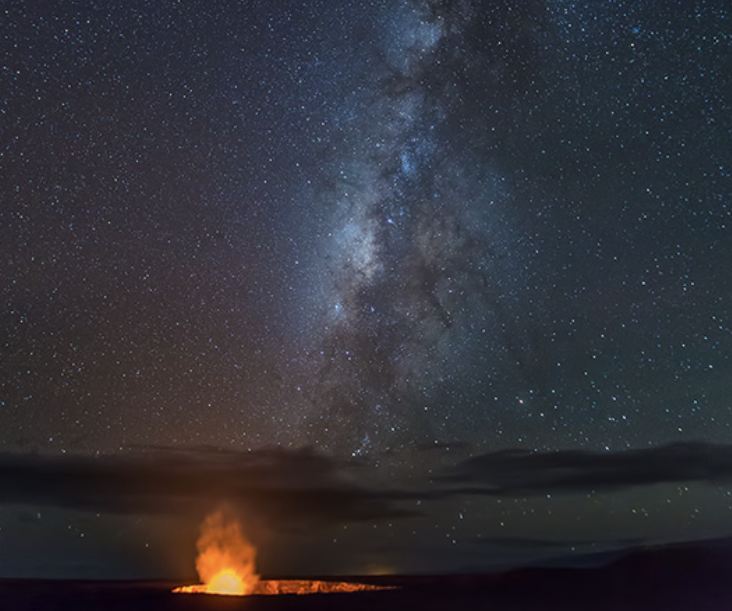
Beauty over Kilauea and stars

Look Up, Big Island! Tonight’s METEOR Shower Double Feature Is Lighting Up The Lani (Sky)

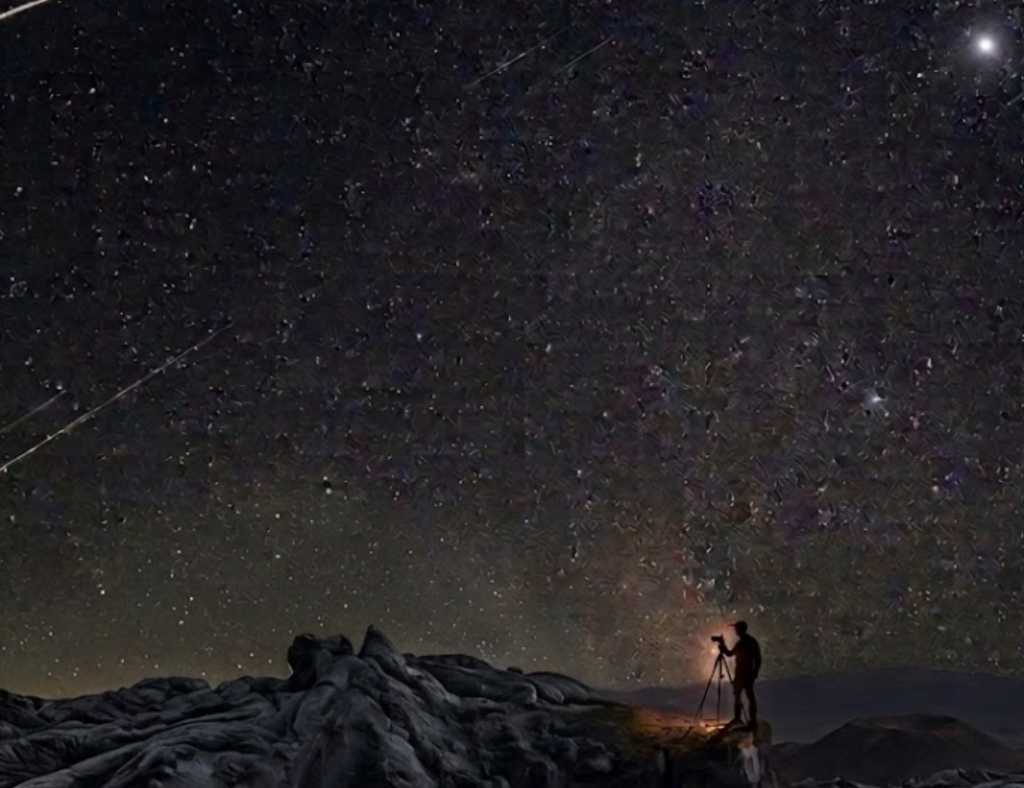
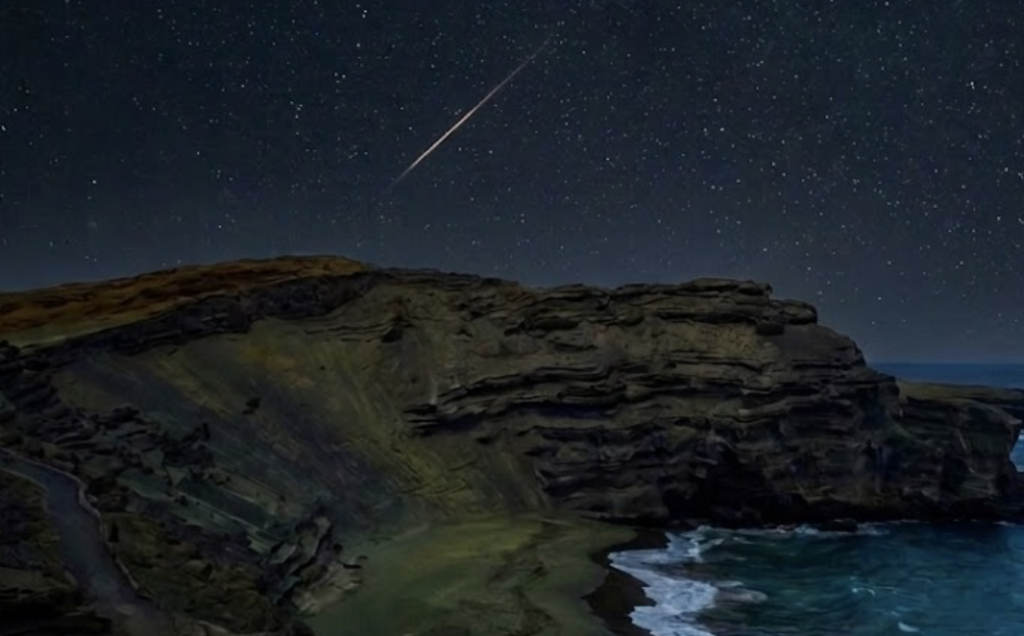
If you needed an excuse to stay up late or set an early alarm tonight, the universe just handed you one on a silver platter. Tonight marks the peak of a rare celestial double feature, as two separate meteor showers—the Southern Delta Aquariids and the Alpha Capricornids—cross paths overhead. While the Delta Aquariids deliver a steady trickle of swift, faint shooting stars across the southern horizon, the Alpha Capricornids are the real showstoppers: they are famous for producing slow-moving, bright, and intensely colorful fireballs that streak dramatically across the night sky.

What makes this dual display so fun for island skywatchers is the contrast. Southern Hemisphere and tropical latitude viewers get the front-row seats for the Delta Aquariids, which originate from the remnants of Comet 96P/Machholz. Meanwhile, the dust trail left behind by Comet 169P/NEAT fuels the Alpha Capricornids. Even with a bright moon in the sky this week, those high-energy Capricornid fireballs have enough pop to punch right through the glare. The peak viewing window kicks off after midnight and builds into the pre-dawn hours, when the radiant points rise highest in our southern sky.

So, where should you head on the island for the ultimate view? To dodge light pollution and marine clouds, elevation and dark coastlines are your best friends.

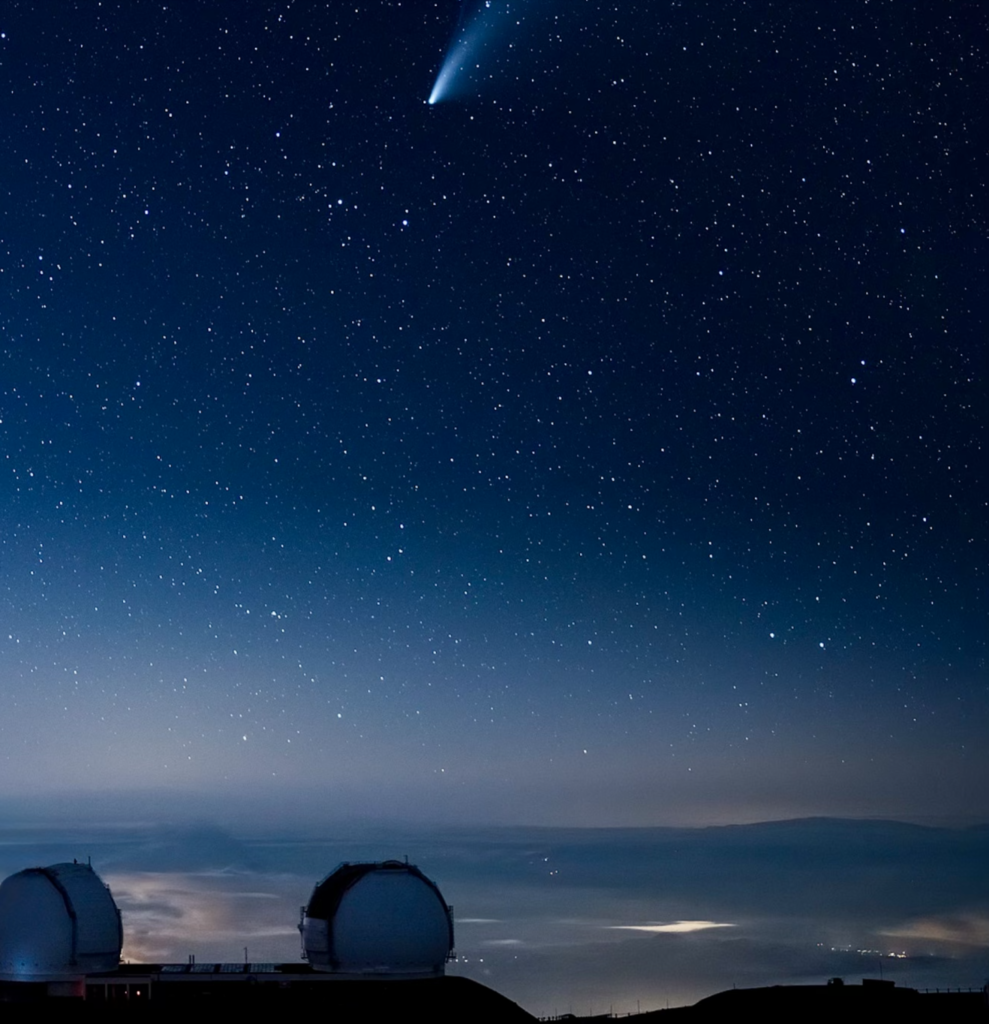
  • Mauna Kea Information Station (9,200 ft): Sitting well above the cloud line, the cool air and ultra-thin atmosphere provide unmatched clarity. Just pack warm layers—it drops into the 30s and 40s up there!

  • Hawaii Volcanoes National Park (Kīlauea Overlook): Dark skies, wide-open horizons, and cosmic views over the caldera make this a majestic spot to lay out a blanket.

  • South Point (Kaʻū) & Kohala Coast Overlooks: If you’re staying near sea level, head away from resort lighting toward the south or north tips of the island where light pollution drops to near zero.

When and How to Watch

The best viewing window tonight opens after the first quarter moon sets, roughly around midnight, and lasts until dawn.

No special equipment is required! Your eyes are the perfect tools for the wide, fast meteors. Here is how to prepare:

  1. Let Your Eyes Adapt: Put your smartphone away! Your eyes require at least 20 minutes to achieve maximum night vision sensitivity.

  2. Dress Warmly: Yes, even in Hawaii. Nighttime temperatures at altitude are cold.

  3. Bring Comfort: A reclining lawn chair and blanket are essential for avoiding neck strain while looking up.

If you miss tonight’s event, you won’t have to wait long. The grandest meteor shower of them all, the Perseids, peaks this August 11-12. However, tonight’s slow, magnificent Alpha Capricornid fireballs offer a completely different and rare magic. Look up, Big Island!

TAG US and CHECK OUT SOCIALS!

We want to see your selfies and ‘ohana shots! Tag us!

IG: @bigislandpulse
@bigislandpulse
FB: Big Island Pulse


Share This Post

Facebook
Twitter
LinkedIn
Pinterest
Email
Sponsored
Sponsored

Related Articles

Leave a Comment