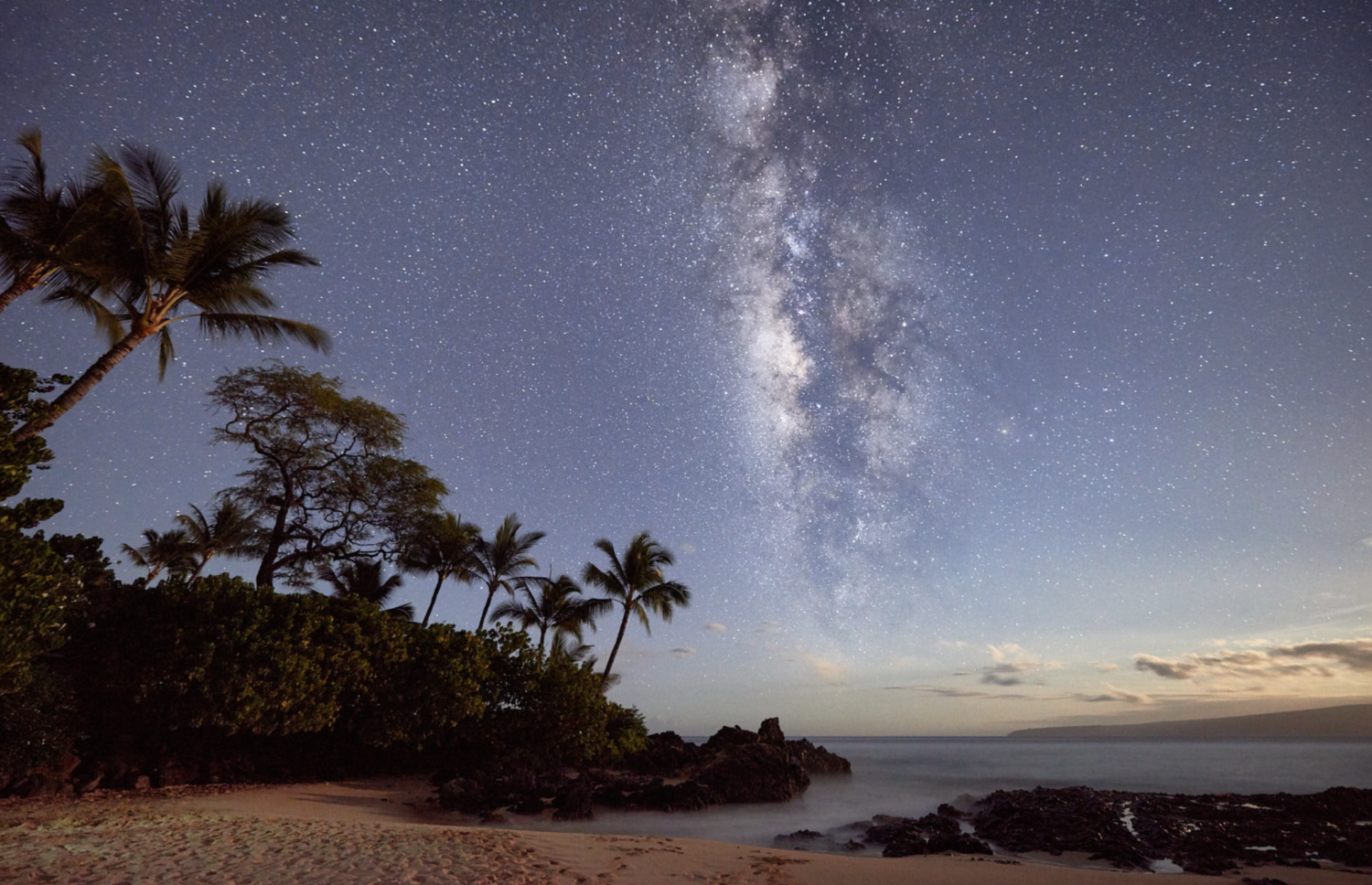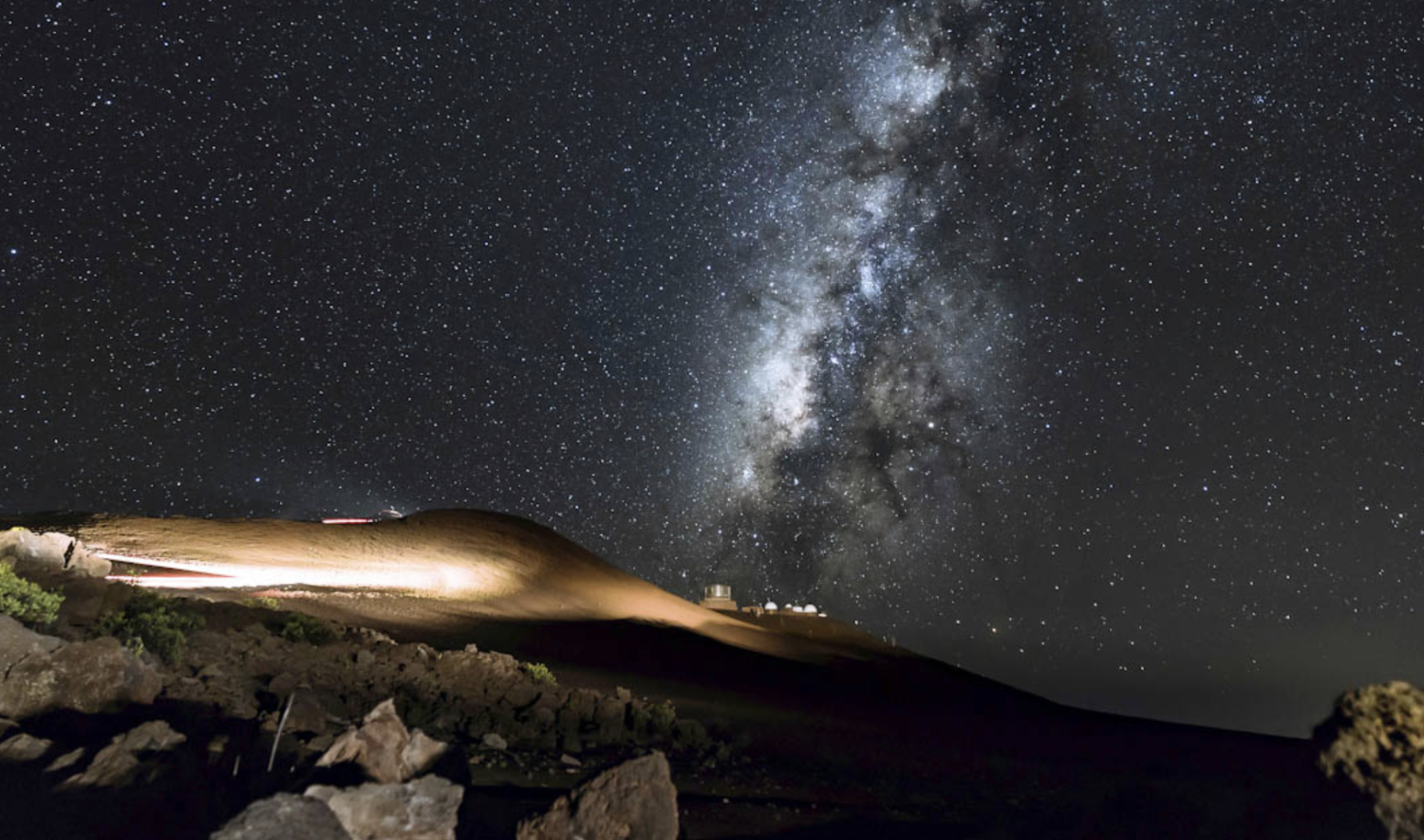
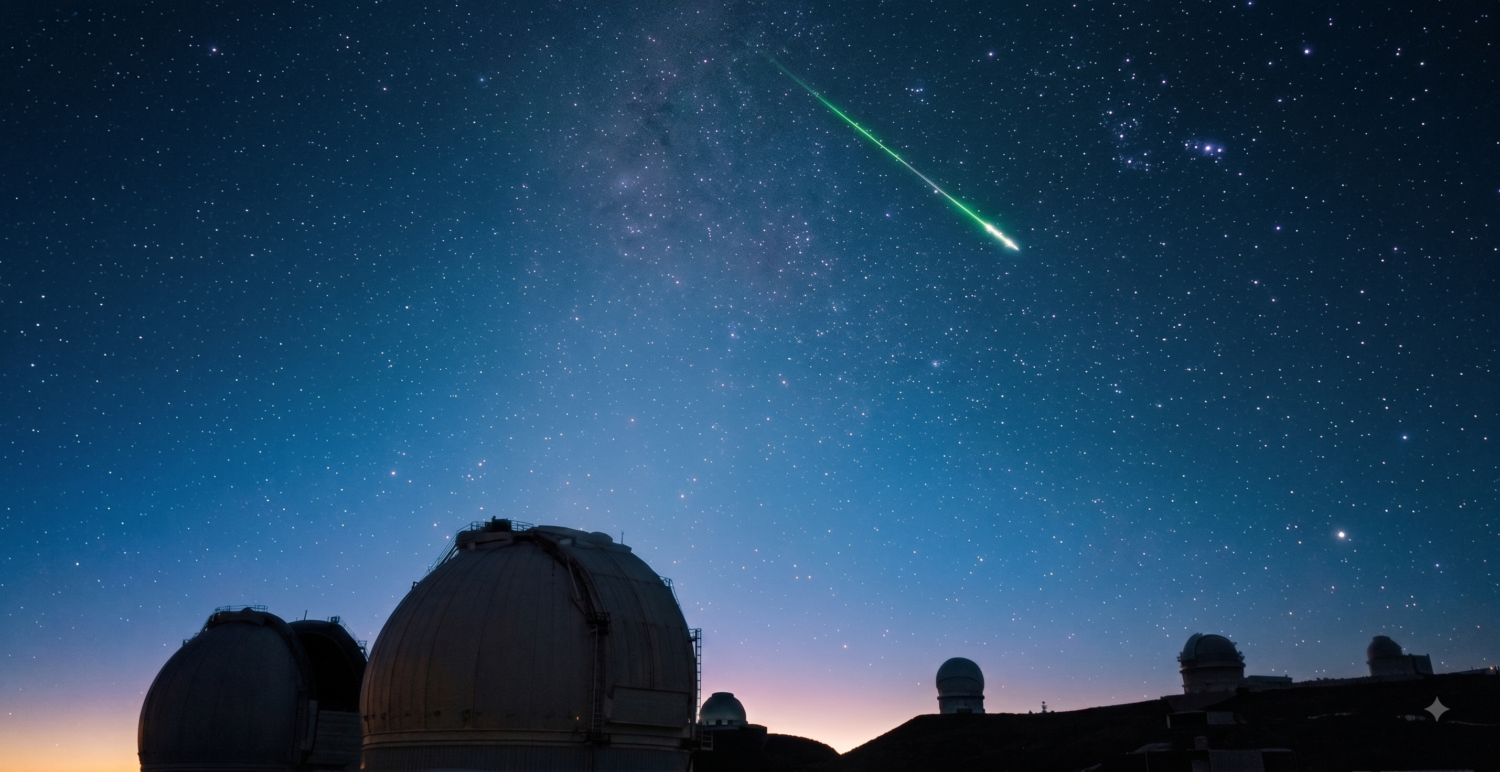

Tomorrow, August 12th, presents a rare convergence of skywatching events across the globe, though what you can see depends heavily on where you stand. In Hawaiʻi, the highlight of the night will be the annual peak of the Perseid meteor shower. Combined with a 0% illuminated New Moon, the islands will enjoy virtually jet-black skies, creating perfect conditions to spot dozens of shooting stars and bright fireballs streaking out of the constellation Perseus during the late midnight and pre-dawn hours.
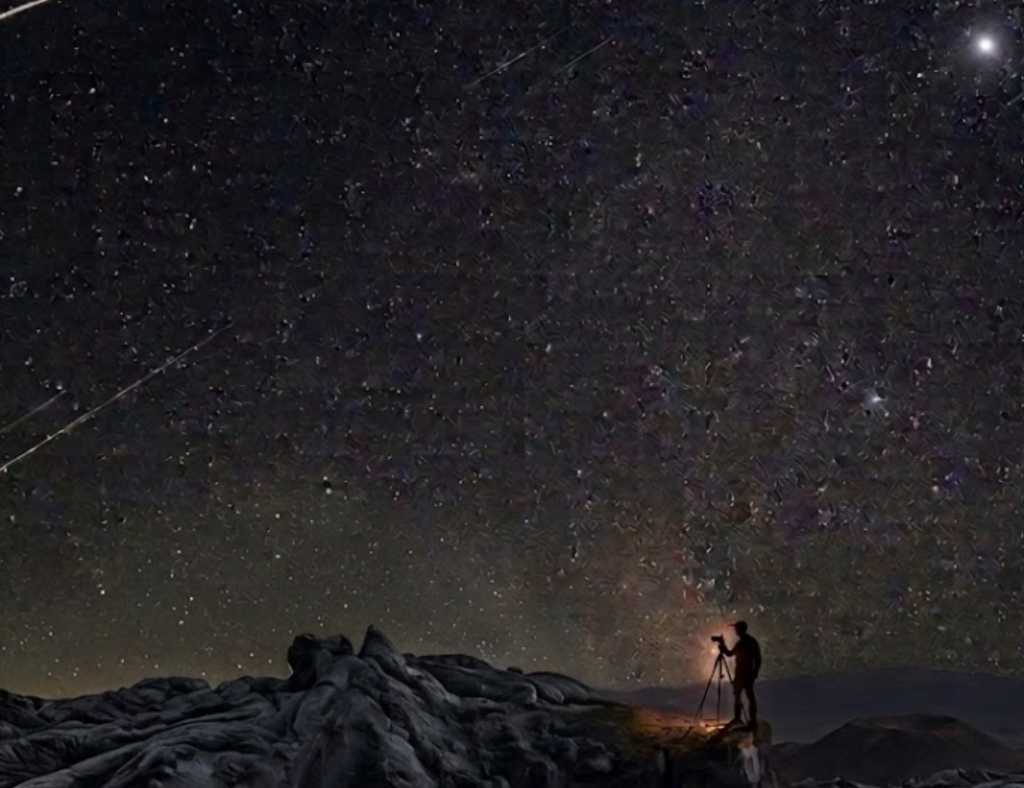
Adding to the spectacle in the hours just before sunrise is a six-planet alignment—often called a “planet parade”. Stargazers looking toward the eastern horizon before dawn can spot Saturn and reddish Mars clearly with the naked eye, while Mercury and Jupiter sit much lower near the horizon. For those equipped with binoculars or a small telescope, Uranus and Neptune round out the line. Viewing this parade alongside the Perseid meteors makes the early morning hours of August 12 an extraordinary window for island observers.
As for the solar eclipse making global headlines, it will not be visible from Hawaiʻi. While a total solar eclipse sweeps across Greenland, Iceland, and Spain tomorrow—a partial eclipse will reach parts of Canada and the northern mainland U.S.—the Moon’s shadow passes far north of the Hawaiian Islands. Our sland skies will remain completely unaffected during the day, meaning local observers won’t need solar eclipse glasses. We are expecting severe weather this weekend so bookmark OUR WEATHER PAGE HERE. For all the latest updates from Civil Defense, The County of Hawaii and Doppler Radar.
1. Timing: When to View
The Perseid Meteor Shower:
Peak Nights: Peaking overnight on August 12–13, with great activity stretching a couple of nights before and after.
Best Hours: Midnight through pre-dawn (roughly 1:00 AM to 5:00 AM HST). During these hours, Hawaii’s side of Earth is directly facing the oncoming stream of comet debris, maximizing the number of visible shooting stars (yielding up to 50–75 meteors per hour under dark skies).
Moon Phase Bonus: The peak coincides with a New Moon, meaning pitch-black skies with zero moonlight interference.
The Six-Planet Alignment:
Dates: Visible mid-August (peaking around August 11–15).
Best Hours: Pre-dawn (around 4:30 AM to 5:30 AM HST), just before the sun begins to brighten the eastern horizon.
What you see: Mercury, Mars, Jupiter, and Saturn are easily visible to the naked eye. Uranus and Neptune are part of the line-up, but you will need binoculars or a telescope to spot them. (Note: Mercury and Jupiter will sit exceptionally close to each other near the eastern horizon around August 15).
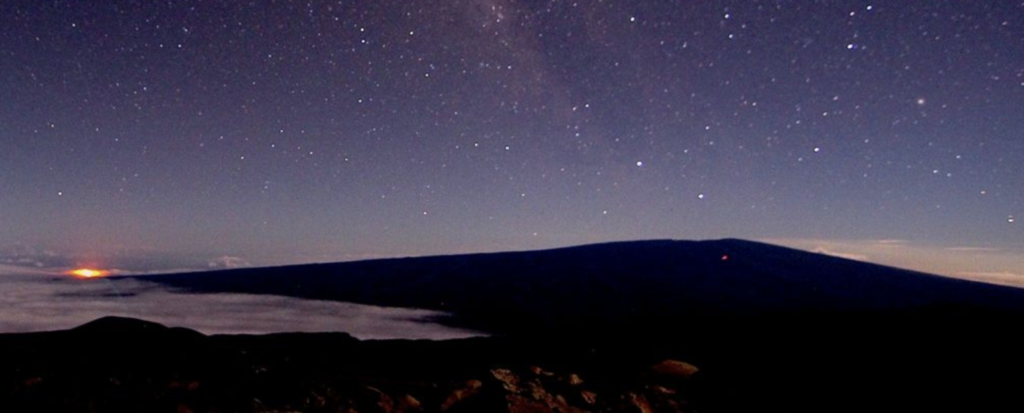
So, where should you head on the island for the ultimate view? To dodge light pollution and marine clouds, elevation and dark coastlines are your best friends.
Mauna Kea Information Station (9,200 ft): Sitting well above the cloud line, the cool air and ultra-thin atmosphere provide unmatched clarity. Just pack warm layers—it drops into the 30s and 40s up there!
Hawaii Volcanoes National Park (Kīlauea Overlook): Dark skies, wide-open horizons, and cosmic views over the caldera make this a majestic spot to lay out a blanket.
South Point (Kaʻū) & Kohala Coast Overlooks: If you’re staying near sea level, head away from resort lighting toward the south or north tips of the island where light pollution drops to near zero.
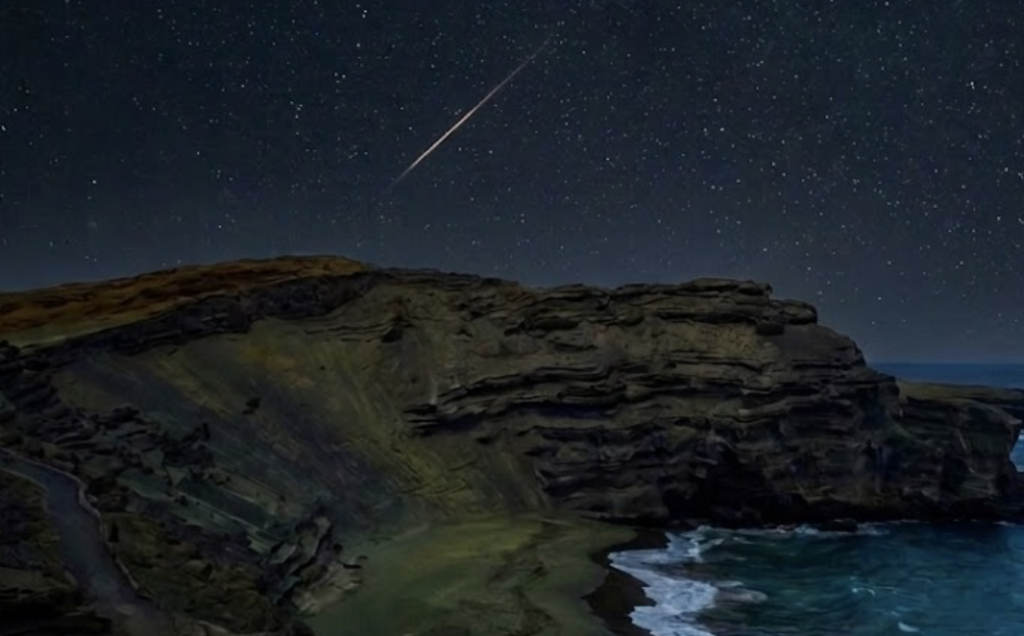
When and How to Watch
The best viewing window tonight opens after the first quarter moon sets, roughly around midnight, and lasts until dawn.
No special equipment is required! Your eyes are the perfect tools for the wide, fast meteors. Here is how to prepare:
Quick Tips for Your Viewing Session
Let your eyes adjust: Give yourself at least 20 to 30 minutes away from cell phone screens and car headlights so your night vision can fully adapt.
Look away from the radiant: While the Perseids technically originate from the constellation Perseus in the north, you don’t need to stare directly at it. Meteors will streak across random parts of the entire sky. The best approach is to lie back on a blanket facing a high, dark patch of overhead sky.

Where will you be watching from? COMMENT BELOW!
Do you have a killah capture? TAG US and CHECK OUT SOCIALS! DM or email it to us: