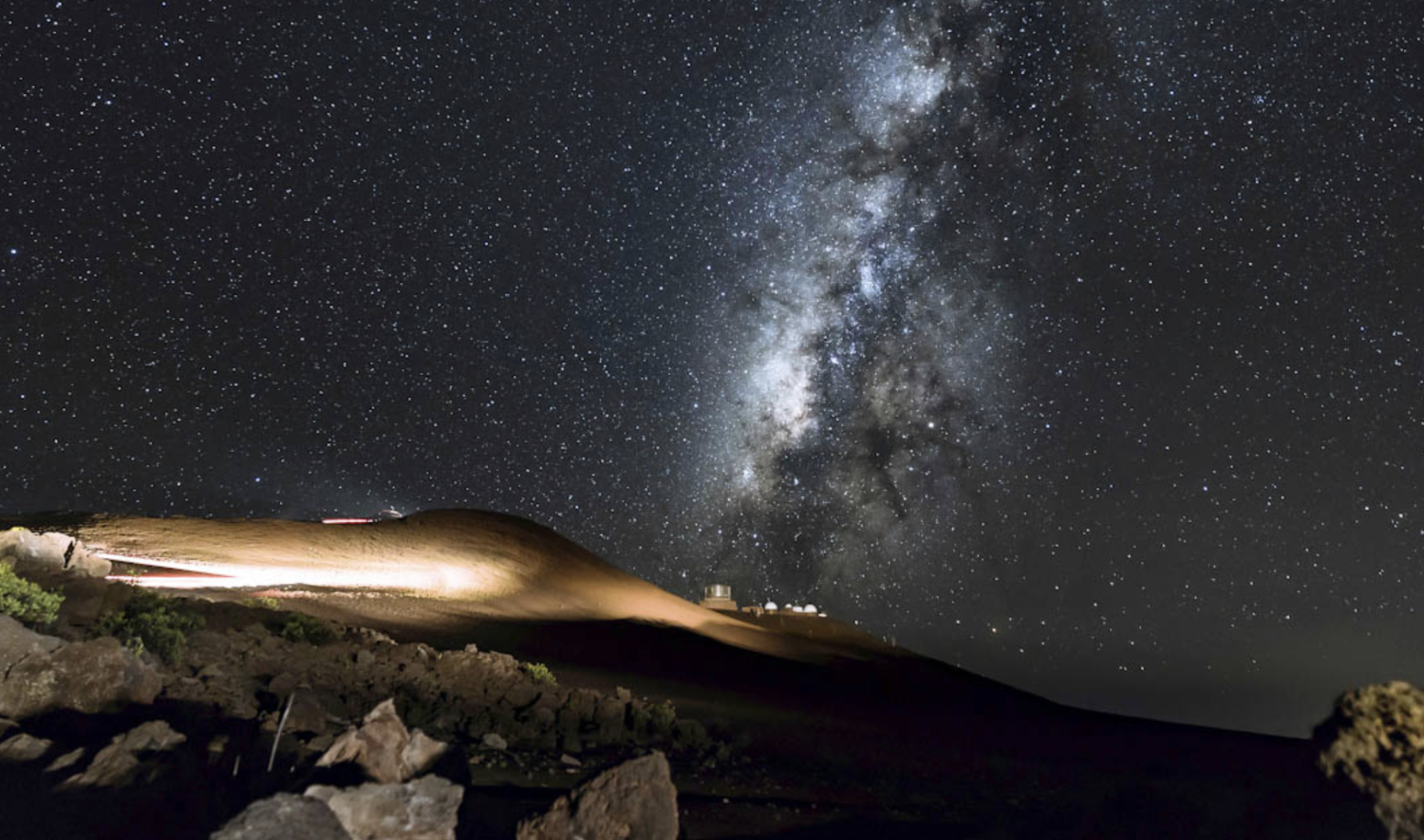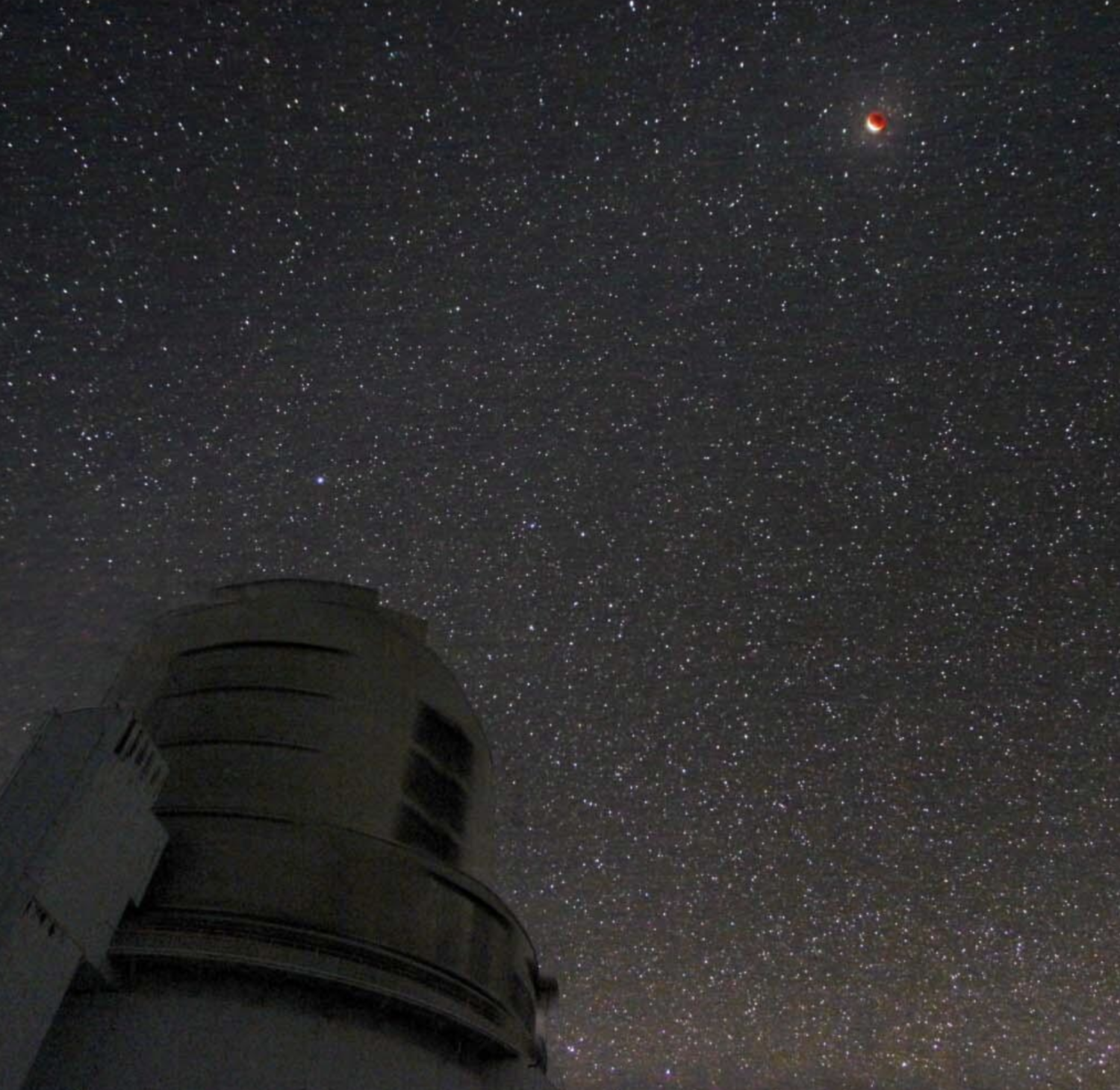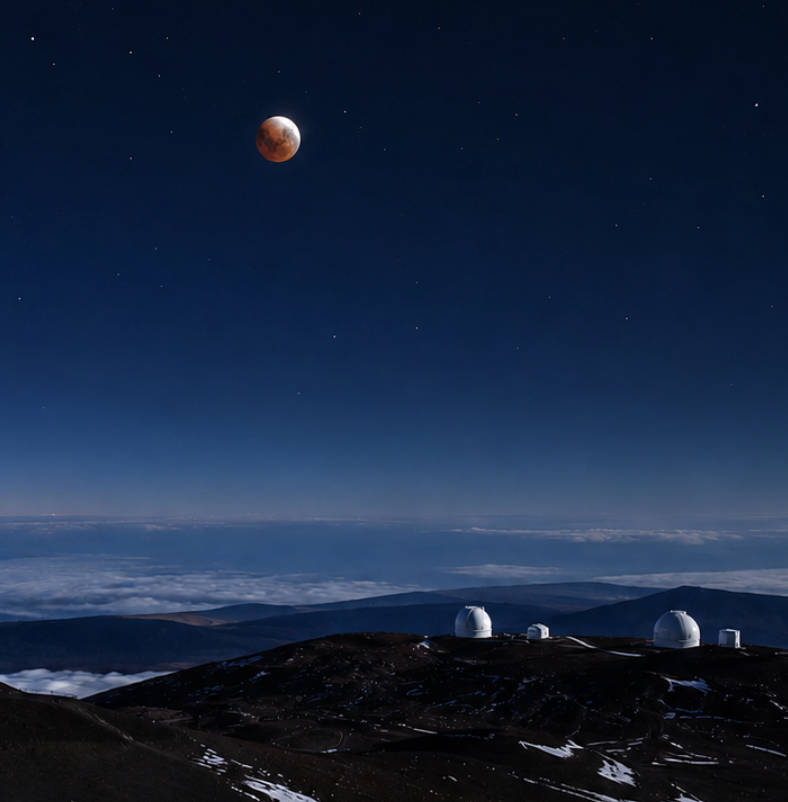

Thursday, August 27th, skywatchers across the Big Island of Hawaii will be treated to a striking celestial showcase as the full moon rises during a deep, near-total lunar eclipse. Passing through Earth’s dark inner shadow (the umbra), roughly 96% of the lunar surface will be obscured at its peak. Because Earth’s atmosphere bends sunlight and filters out shorter blue wavelengths, the shadowed portion of the moon will cast a dramatic reddish, coppery glow across the Hawaiian night sky, mimicking the look of a full “blood moon”.
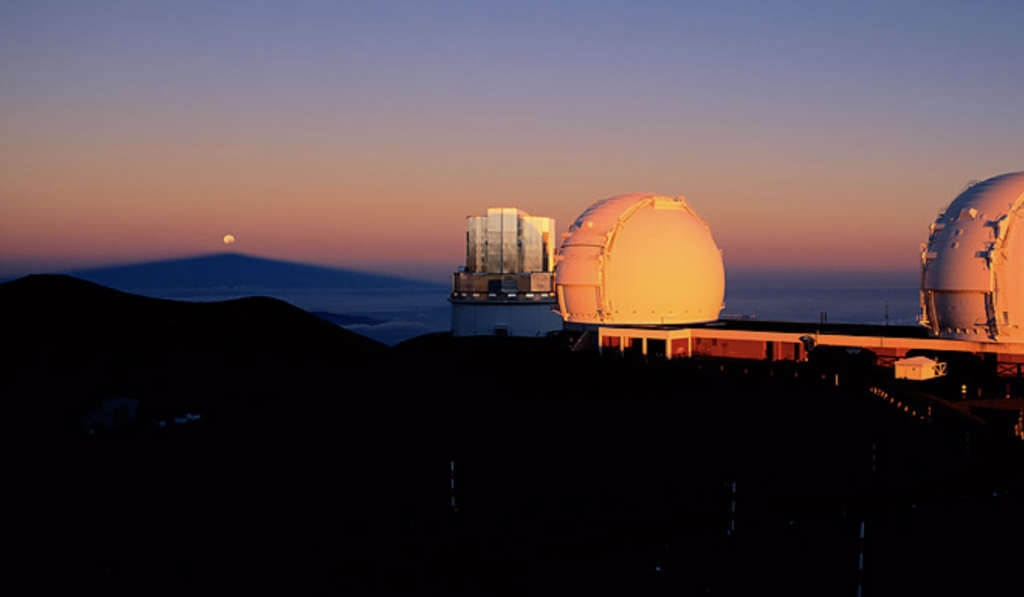
For observers on the Big Island, the eclipse will already be well underway by the time the moon climbs above the eastern horizon around 6:35–6:45 p.m. HST. Maximum obscuration happens almost simultaneously with moonrise, meaning the moon will emerge as a dark, glowing red orb suspended low over the ocean. As the evening progresses, the dark shadow will slowly recede, with the partial phase officially ending by 7:51 p.m. and the subtle penumbral shadow fading completely by 9:01 p.m. HST
Catching the best view on the Big Island depends heavily on elevation and cloud cover. Locations with an unobstructed view of the eastern sky—such as the high elevation of Mauna Kea or vantage points along Saddle Road—offer ideal conditions above the marine cloud layer. Coastal spots along the Hilo side provide breathtaking ocean vistas if the skies remain clear, while the Kona side may require traveling to higher ground to clear the island’s mountainous terrain blocking the eastern horizon.
Unlike solar eclipses, lunar eclipses are completely safe to view with the naked eye, requiring no special filters or protective glasses. Binoculars or a small telescope will enhance the detail of the shaded craters, but simply finding a dark spot away from streetlights is enough to enjoy the sight. Photographers planning to capture the event should bring a tripod, focus manually on the illuminated sliver of the moon, and adjust exposure settings to compensate for the dramatic shift in brightness as the eclipse winds down.
Bookmark OUR WEATHER PAGE HERE. For all the latest updates from Civil Defense, The County of Hawaii and Doppler Radar.
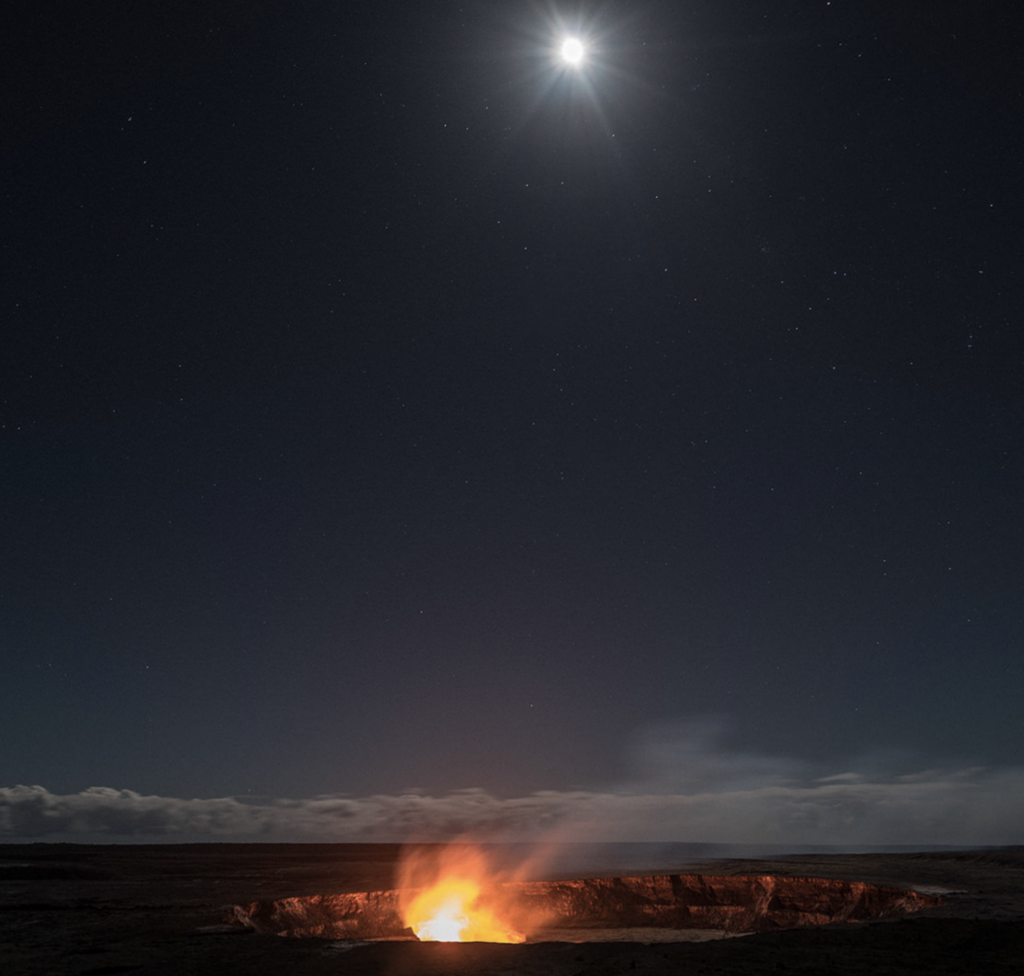
1. Timing: When to View
Top Eclipse Viewing Locations on the Big Island
To get a clear view of the red moon eclipse, prioritize high elevations or clear eastern horizons, as the moon rises in the east.
Saddle Road & Mauna Kea Access Road (High Elevation): Viewing at 6,000 to 9,200 feet (such as near the Visitor Information Station) gets you above the lower cloud layer. This area offers dark skies, minimal light pollution, and high odds of clear weather.
Hawaiʻi Volcanoes National Park (Mauna Ulu Lookout / Kīlauea Overlooks): High elevations on the windward side provide dark, expansive views toward the east and south.
Hilo & East Coast Beaches (Honoliʻi, Richardson, or Onekahakaha): Excellent for watching the eclipse directly as the moon rises over the ocean horizon, provided there is low cloud cover along the coast.
North Kona Coast & Puʻu Waʻawaʻa: If staying on the west side, head up towards higher elevation along Saddle Road or rural North Kona spots to clear the central mountain range blocking the eastern sky.
Viewing Tips
Timing: Start looking toward the eastern horizon right around local moonrise, as maximum obscuration happens early in the evening.
Weather Check: Check local mountain and coastal cloud forecasts before heading out; if the coast is cloudy, drive higher up Saddle Road.
Gear: Pack warm layers (temperatures drop significantly at high elevations) and bring a tripod if attempting night photography.
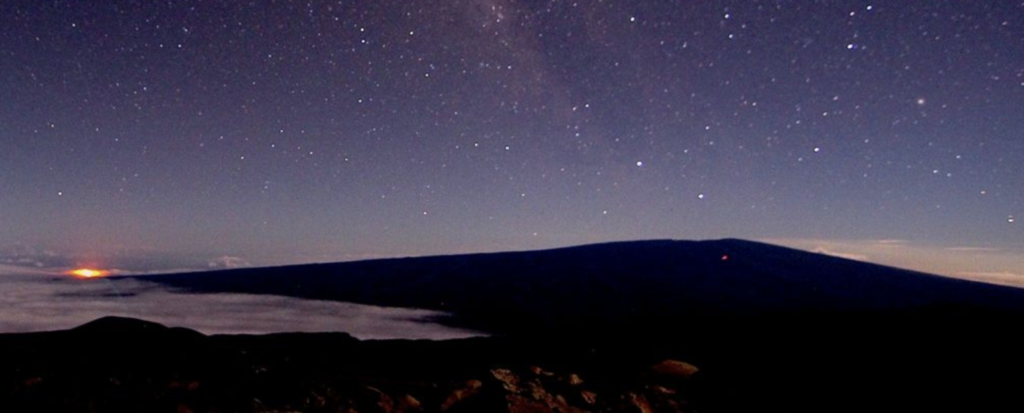


Where will you be watching from? COMMENT BELOW!
Do you have a killah capture? TAG US and CHECK OUT SOCIALS! DM or email it to us: